What are the best moisture control strategies?
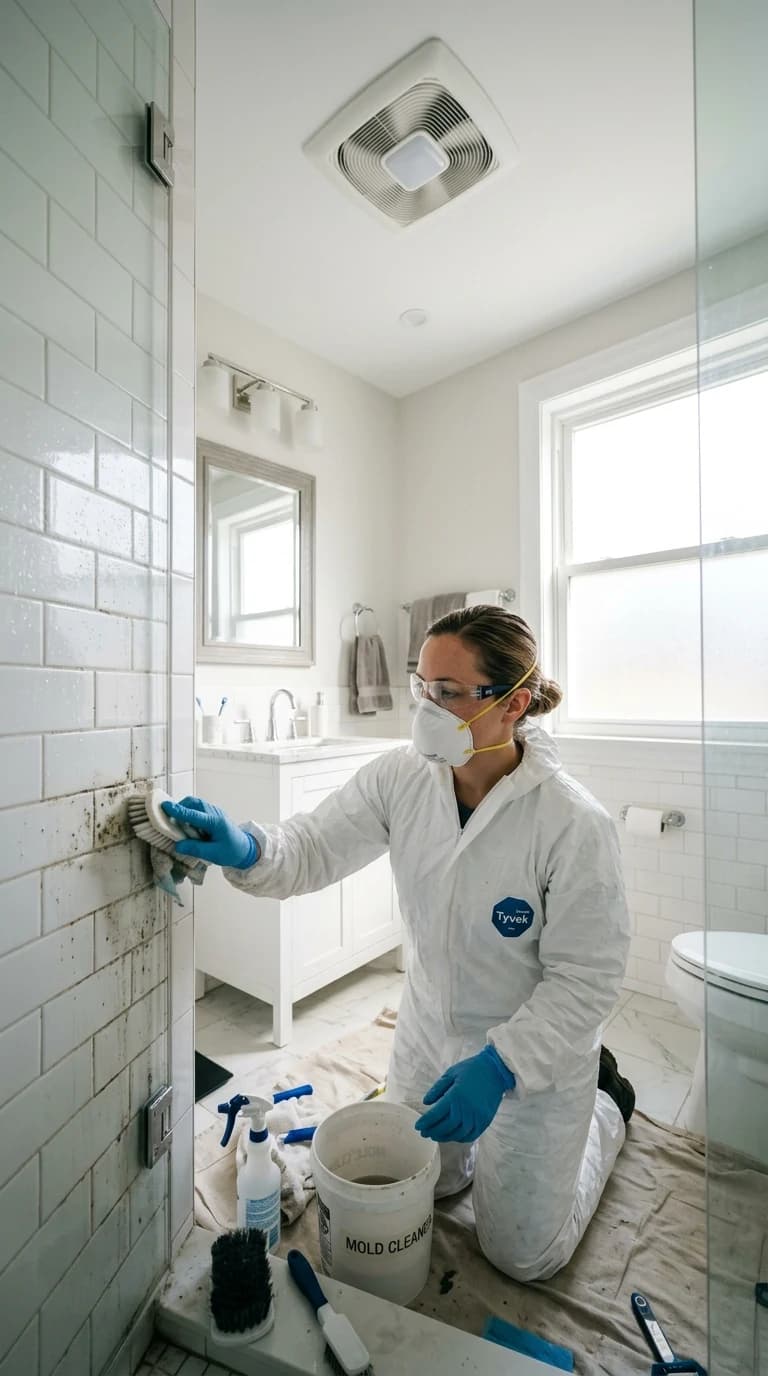
Controlling moisture is key to preventing mold. This includes fixing leaks immediately, using dehumidifiers in damp areas, and ensuring proper ventilation in rooms like bathrooms and kitchens. Regularly check and clean gutters to prevent water accumulation near your home's foundation. It's also important to monitor humidity levels within your home; ideally, they should be kept below 60%. You can use a hygrometer to measure humidity levels and adjust accordingly. In addition to these steps, consider installing a sump pump in your basement to manage groundwater and prevent flooding. These simple practices can significantly reduce the likelihood of mold growth. If you're unsure about the moisture levels in your Hackensack home, consult with a local mold prevention expert for tailored advice.
How can proper ventilation help?
Proper ventilation is crucial in moisture-prone areas. Use exhaust fans in bathrooms and kitchens to remove excess humidity. Opening windows regularly can also help circulate air and reduce moisture buildup. For homes in Hackensack, where humidity levels can be high, ensuring your HVAC system is functioning correctly can provide additional protection against mold. Make sure that your ventilation systems are clean and unobstructed to function effectively. Consider installing energy recovery ventilators (ERVs) or heat recovery ventilators (HRVs) to improve air exchange without losing energy. These systems can be particularly beneficial in climates with significant temperature variations. Additionally, ensure your attic and crawl spaces are well-ventilated to prevent moisture accumulation in these often-overlooked areas. Regular maintenance of these systems is crucial to keep them operating efficiently.
What materials can help reduce mold growth?
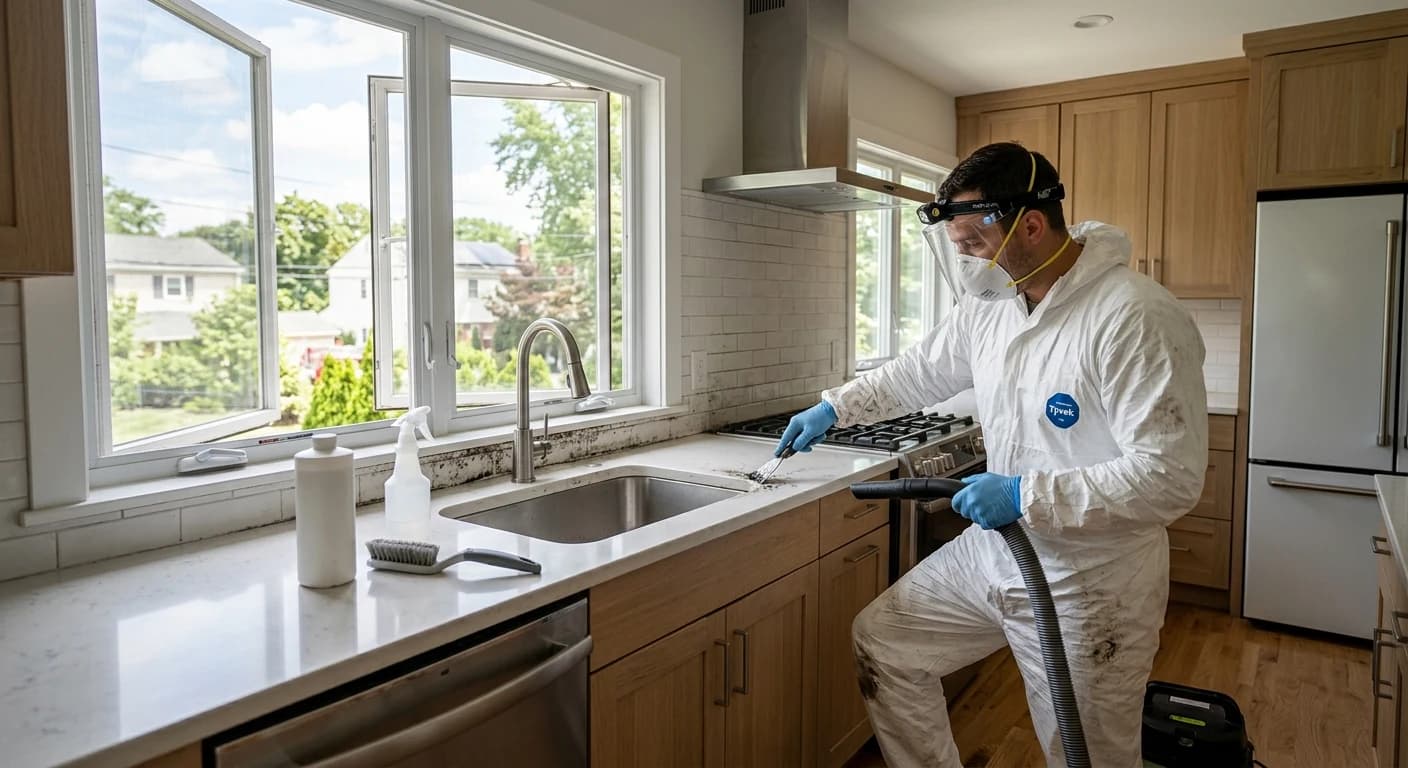
Using mold-resistant materials in areas prone to dampness can help prevent mold growth. Consider installing mold-resistant drywall or using mold-inhibiting paint in basements or bathrooms. These materials provide an extra layer of protection and are a worthwhile investment for long-term mold prevention. In addition to drywall and paint, there are mold-resistant insulation products and flooring options like tiles and vinyl that can withstand moisture better than traditional materials. When renovating or building a new home, these materials can make a significant difference in mold prevention. Consult with a professional to ensure these materials are suitable for your specific needs and climate conditions. It's also wise to use sealants on wood and other porous materials to prevent moisture absorption. For those in Hackensack, where seasonal humidity can be a concern, these investments can prove invaluable for maintaining a mold-free home environment.
Why is regular maintenance important?
Regular home maintenance is a proactive approach to mold prevention. Begin with routine inspections of your home’s plumbing system, as leaks or drips can quickly lead to mold growth if left unchecked. Check under sinks, around toilets, and in basements for any signs of water damage. Additionally, inspect your roof and exterior walls for any cracks or missing shingles that could allow water to seep in. Clean and maintain your HVAC system, replacing filters regularly to ensure efficient air circulation and to prevent mold spores from spreading. Pay attention to your home's foundation as well; ensure that the ground slopes away from your home to prevent water pooling. Regularly clean and service your dehumidifiers and sump pumps to ensure they are functioning correctly. By scheduling these maintenance tasks seasonally, you can catch potential issues early and address them before they become significant problems. Consistent upkeep not only protects against mold but also preserves the overall integrity and value of your home.
How does landscaping affect mold prevention?
Landscaping plays a crucial role in managing moisture around your home, which is vital for mold prevention. Start by ensuring that the land around your home slopes away from the foundation to prevent water from pooling near the base. Planting trees and shrubs at a safe distance from the house can also help absorb excess groundwater. Be mindful of using mulch, as it can retain moisture; instead, consider using gravel or stones near the foundation to improve drainage. Regularly trim trees and shrubs to allow sunlight to reach the ground, reducing dampness. Additionally, install rain gutters and downspouts to direct water away from your home. Make sure these are kept clean and free of debris to function effectively. Consider using a French drain system to manage water runoff in particularly wet areas of your yard. Proper landscaping not only enhances the aesthetic appeal of your home but also serves as a practical barrier against excess moisture, thus reducing the risk of mold growth.
How can lifestyle changes contribute to mold prevention?
Incorporating certain lifestyle changes can significantly aid in mold prevention within your home. Start by minimizing the use of humidifiers unless necessary, as they can increase indoor humidity levels. Instead, opt for air purifiers with HEPA filters to maintain air quality without adding moisture. Be mindful of indoor plants; while they enhance aesthetics, they can also contribute to humidity. If you love having plants indoors, choose species that require less watering and are less likely to contribute to mold growth, such as succulents or cacti. Additionally, consider using lids on pots when cooking to reduce steam and moisture in the kitchen. After showers, wipe down bathroom walls and floors to remove excess water. Regularly airing out bedding and upholstery can prevent moisture accumulation in fabrics. Encourage family members to keep windows open when weather permits, promoting natural ventilation. These simple lifestyle adjustments can create a less hospitable environment for mold, promoting a healthier home.
What role does technology play in mold prevention?
Leveraging technology can be a game-changer in preventing mold growth at home. Smart home devices, such as humidity and temperature sensors, can provide real-time data to help you maintain optimal conditions. These sensors can be integrated with smart thermostats, allowing for automated adjustments to heating and cooling systems to control humidity levels efficiently. Additionally, consider using smart dehumidifiers that can be programmed to turn on when humidity exceeds a certain threshold, ensuring your home remains dry. Water leak detectors are another valuable tool, alerting you to potential leaks before they lead to mold-friendly conditions. For those in NJ, where seasonal changes can affect indoor humidity, these technologies offer precise control and peace of mind. Investing in a smart home system not only enhances convenience but also provides a proactive approach to maintaining a mold-free environment. By staying informed and responsive to environmental changes, you can effectively safeguard your home against mold.
How to Identify Early Signs of Mold?
Identifying mold early is crucial to preventing its spread and minimizing damage to your home. Begin by conducting regular visual inspections of areas prone to moisture, such as basements, bathrooms, and kitchens. Look for discoloration on walls, ceilings, and floors, as mold often appears as black, green, or brown spots. Pay attention to musty odors, which are often a telltale sign of hidden mold. If you notice a persistent earthy smell, it may indicate mold growth behind walls or under floors. It's also important to monitor any health symptoms you or your family might experience, such as allergies, respiratory issues, or skin irritation, which can be exacerbated by mold spores. Use a flashlight to inspect dark corners and behind furniture, as mold can thrive in these hidden areas. If you suspect mold but cannot locate it, consider using a moisture meter to detect dampness in walls or floors. For a comprehensive assessment, especially in older homes or those with a history of water issues, hiring a professional mold inspector can provide peace of mind and ensure any mold is identified and addressed promptly.
The Importance of Professional Mold Testing
While DIY mold detection methods can be helpful, professional mold testing offers a more accurate and thorough analysis of your home's mold situation. Certified mold inspectors use specialized tools and techniques to detect mold that may not be visible to the naked eye. These professionals can identify the type of mold present and assess the extent of contamination. This is particularly important because some mold types, like black mold, are more hazardous to health than others. Professional testing can also determine the root cause of mold growth, such as hidden leaks or ventilation issues, allowing for targeted remediation strategies. If you live in a region like NJ, where humidity levels fluctuate, periodic professional testing can be a wise investment to prevent mold from becoming a recurring problem. Additionally, having a professional report can be beneficial if you're planning to sell your home, as it demonstrates to potential buyers that your property is free from mold issues. Ultimately, professional mold testing provides a comprehensive understanding of your home's air quality and ensures that any mold problems are effectively addressed.