What are the common early signs of mold?
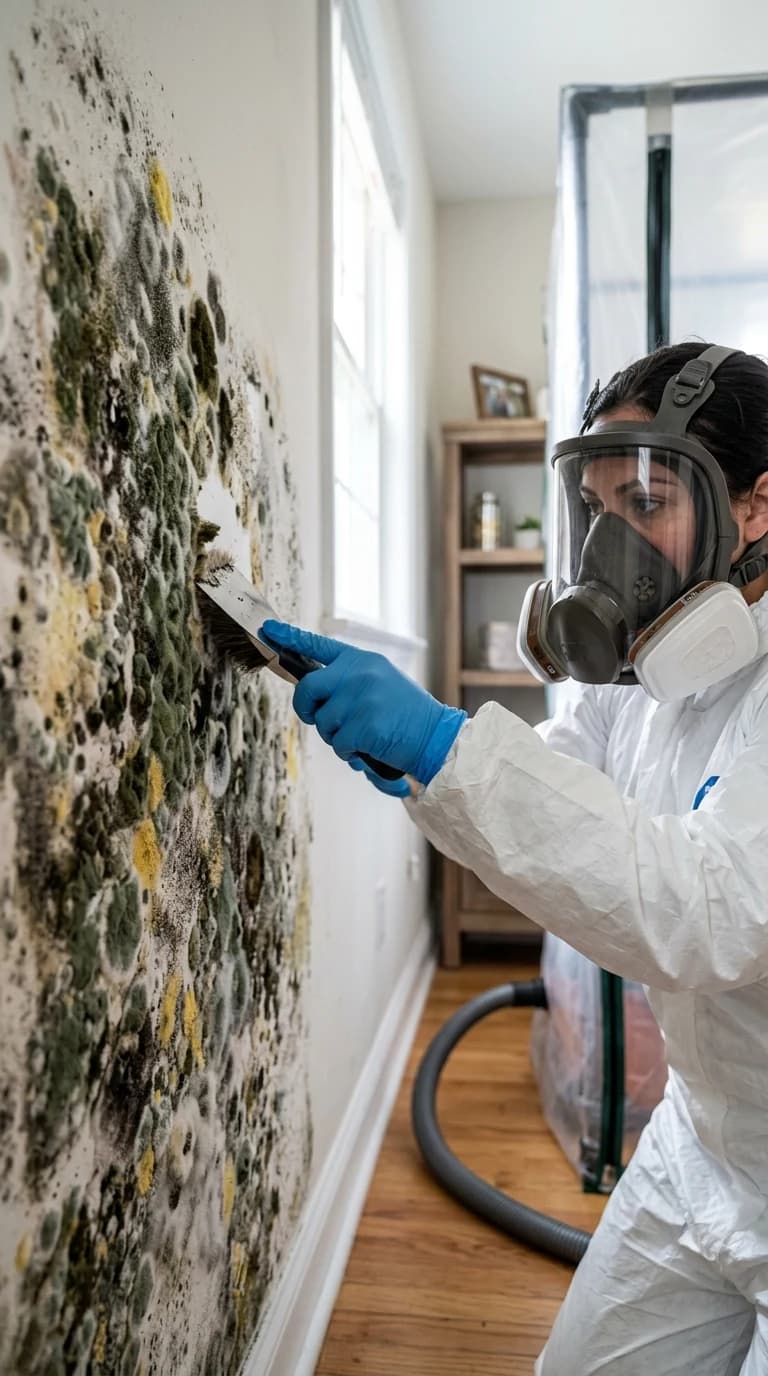
Mold can be a silent invader in your home, often growing unnoticed until it becomes a significant problem. Common early signs include musty odors, discolored patches on walls or ceilings, and unexplained allergy symptoms. A musty odor, similar to the smell of wet socks or rotten wood, can be one of the first indicators of mold presence. Discolored patches might appear as small spots or large stains that can range in color from black and green to white and even orange. These discolorations are often found in areas with high moisture levels, such as basements, bathrooms, and kitchens. Unexplained allergy symptoms, such as sneezing, coughing, or skin irritations that seem to worsen indoors, can also be a red flag. Regularly inspecting damp areas, especially after heavy rains or plumbing leaks, can help in early detection. It's crucial to address these signs promptly to prevent extensive damage, as mold can compromise the structural integrity of your home and pose health risks.
How can you visually identify mold?
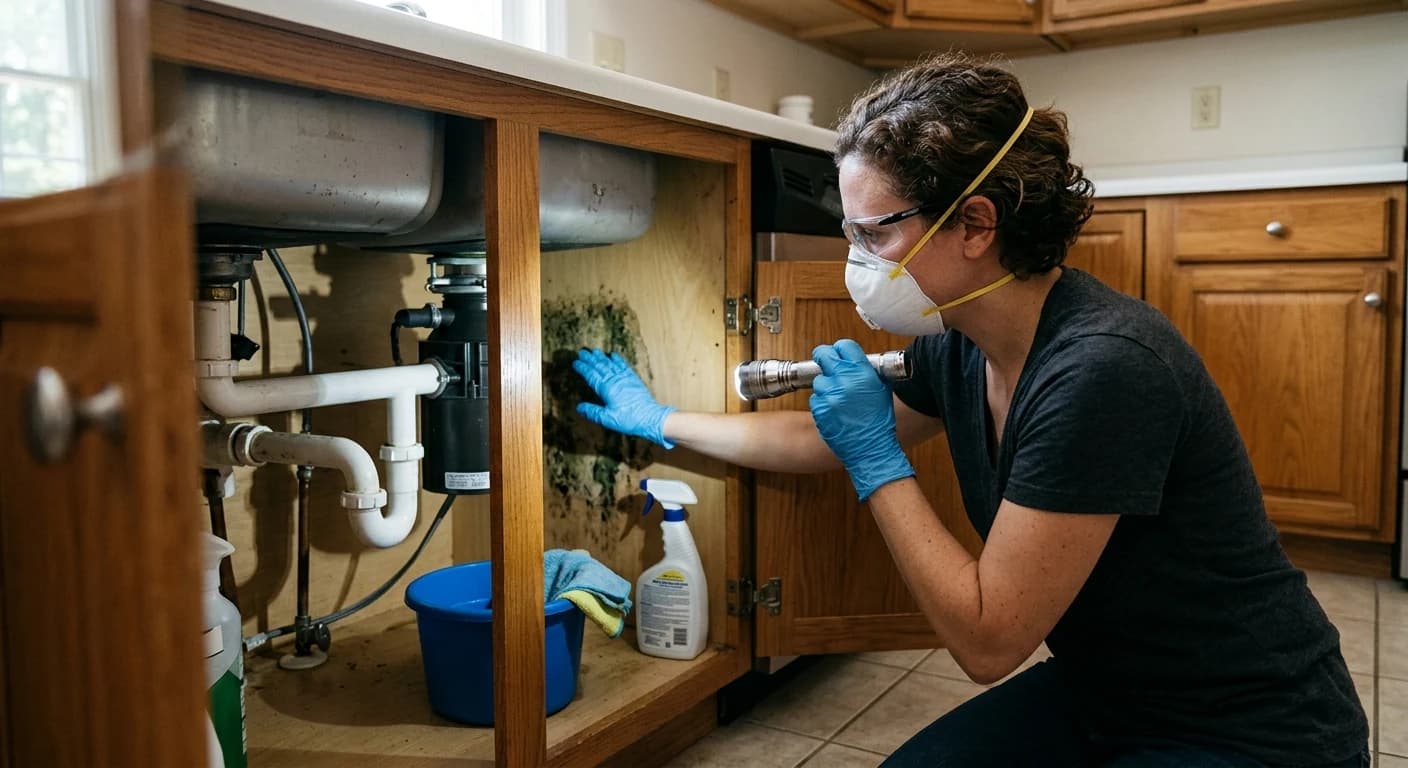
Mold often appears as black, green, or white spots and can be fuzzy or slimy to the touch. These spots can start small and grow into larger patches if not addressed. Areas with previous water damage or high humidity are prime locations for mold growth. It often thrives in dark, damp environments, making basements, crawl spaces, and behind walls common hotspots. Use a flashlight to inspect less visible areas like under sinks or behind appliances where water might have accumulated unnoticed. Look for any bubbling or peeling paint as this can indicate moisture retention behind walls where mold could be lurking. If you suspect mold but aren't sure, consider a professional mold inspection to confirm your suspicions and assess the severity. Professionals use tools like moisture meters and infrared cameras to detect hidden mold that isn't visible to the naked eye. This can be particularly important in older homes in Hackensack, where hidden leaks might be more common.
What should you do if you find early signs of mold?
If you notice any signs of mold, it's important to act quickly. Start by reducing moisture levels in your home through dehumidification and ventilation. Open windows to increase airflow and use exhaust fans in bathrooms and kitchens to remove excess moisture. Repair any leaks in your roof, walls, or plumbing as soon as possible to prevent moisture from returning. Remove any visible mold using appropriate cleaning methods; for small areas, a mixture of water and detergent or a specialized mold cleaner can be effective. Be sure to wear protective gear, such as gloves and a mask, to avoid inhaling spores. However, for larger infestations, it's best to contact a professional mold removal service, as improper handling can spread spores throughout your home. Hackensack Mold Removal offers expert solutions and can help ensure your home remains safe and mold-free. They use advanced techniques to not only remove existing mold but also to treat the underlying causes to prevent future growth. Additionally, they can provide advice on how to maintain optimal humidity levels in your home and recommend mold-resistant materials for any necessary repairs.
How to prevent mold growth in your home?
Preventing mold growth involves a proactive approach to managing moisture and humidity levels in your home. Start by ensuring your home is well-ventilated. Use exhaust fans in bathrooms and kitchens, and consider installing a whole-house ventilation system if feasible. Regularly clean and maintain your HVAC system to ensure it's operating efficiently, as this can help regulate humidity levels. In areas prone to dampness, such as basements or crawl spaces, use a dehumidifier to maintain humidity levels below 60%. It's also important to address any water leaks promptly. Inspect your roof, windows, and plumbing systems regularly for signs of leaks and repair them immediately. Consider waterproofing your basement and sealing any cracks in your foundation to prevent water intrusion. Additionally, ensure that rainwater is directed away from your home by maintaining clean gutters and downspouts. Lastly, when decorating or renovating, use mold-resistant products such as paints and drywall to further safeguard your home against mold growth. By implementing these measures, you can significantly reduce the risk of mold developing in your living spaces.
When to seek professional help for mold issues?
Determining when to call in professionals for mold issues can be critical to both your health and the integrity of your home. If you discover a mold infestation covering more than ten square feet, it's advisable to seek professional help. Large mold problems often require specialized equipment and expertise to ensure complete removal and to prevent spores from spreading. Additionally, if mold is located in hard-to-reach areas such as HVAC ducts, behind walls, or under flooring, professionals are better equipped to handle these situations safely. Mold exposure can lead to health issues, particularly for individuals with allergies, asthma, or compromised immune systems, so it's important to consider the potential health risks. If you or your family members experience persistent respiratory problems or other unexplained health issues, it might be time to consult with a mold remediation specialist. In NJ, there are experienced professionals who can conduct thorough inspections, identify the root causes, and provide comprehensive solutions. They can also offer guidance on preventive measures to avoid future mold problems, ensuring your home remains a safe and healthy environment.
Understanding the Health Risks of Mold Exposure
Mold exposure can have significant health implications, especially for individuals with pre-existing respiratory conditions, allergies, or weakened immune systems. Mold spores, when inhaled, can trigger a range of symptoms such as nasal congestion, throat irritation, coughing, wheezing, and eye irritation. In more severe cases, prolonged exposure to mold can lead to chronic respiratory illnesses and exacerbate conditions like asthma. It's crucial for homeowners to recognize these potential health risks and take them seriously. If you or your family members experience persistent symptoms that seem to improve when away from home, it might indicate mold presence. Additionally, mold exposure can also affect pets, causing similar respiratory and allergic reactions. To minimize health risks, ensure that your home is well-ventilated and maintain low humidity levels to prevent mold growth. Regularly clean areas prone to dampness and consider using air purifiers with HEPA filters to capture airborne mold spores. If health issues persist, consult a healthcare professional and consider having your home inspected by a mold remediation expert who can provide tailored solutions to ensure a safe living environment.
Effective DIY Mold Removal Techniques
For small mold infestations, homeowners can tackle the problem themselves using effective DIY techniques. Begin by identifying the source of moisture and addressing it to prevent further growth. Once the moisture issue is resolved, prepare a cleaning solution using household ingredients like white vinegar, which has natural antifungal properties. Spray the affected area with vinegar and let it sit for an hour before scrubbing with a brush. For tougher stains, a mixture of baking soda and water can be used to scrub the mold away. Ensure you wear protective gear, such as gloves, goggles, and a mask, to avoid direct contact with mold spores. After cleaning, thoroughly dry the area to prevent mold from returning. It's important to dispose of any contaminated materials, such as sponges or cloths, in sealed bags to prevent spore dispersion. Keep in mind that while these methods can be effective for small areas, larger infestations or mold in hidden areas may require professional intervention. Regular monitoring and maintenance, such as fixing leaks promptly and using dehumidifiers, can help prevent mold reoccurrence and maintain a healthy home environment.