How can untreated mold affect your health?
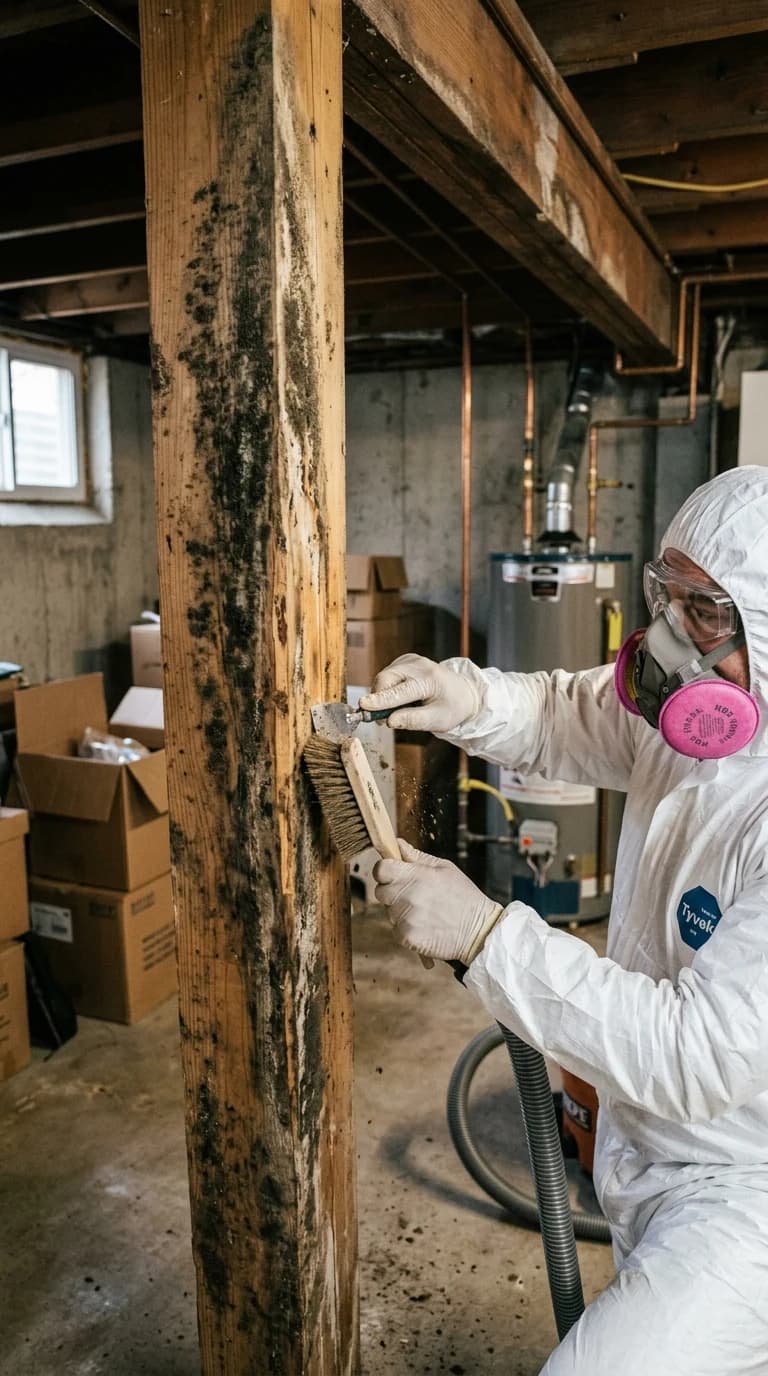
Mold exposure can have serious health consequences, especially for those with respiratory issues or weakened immune systems. When mold spores are inhaled, they can trigger a range of allergic reactions. Symptoms can range from mild irritations, such as sneezing and coughing, to more severe reactions like asthma attacks or chronic lung conditions. Individuals with pre-existing health conditions, such as asthma or allergies, may find their symptoms exacerbated by mold exposure. Additionally, prolonged exposure can lead to the development of mold-induced asthma, even in individuals who have never previously experienced breathing issues.
Moreover, certain types of mold, such as black mold (Stachybotrys chartarum), produce mycotoxins which can be particularly harmful. Mycotoxins are toxic compounds that can cause neurological problems and, in some cases, even impact the immune system's effectiveness. Symptoms of mycotoxin exposure can include fatigue, headaches, dizziness, and in extreme cases, memory loss or difficulty concentrating.
If someone in your household is experiencing unexplained health issues, it's worth investigating whether mold may be a contributing factor. Regular health checkups and consultations with healthcare professionals can help determine if mold is impacting your health. Identifying and addressing mold issues promptly can prevent these health risks from escalating.
Moreover, certain types of mold, such as black mold (Stachybotrys chartarum), produce mycotoxins which can be particularly harmful. Mycotoxins are toxic compounds that can cause neurological problems and, in some cases, even impact the immune system's effectiveness. Symptoms of mycotoxin exposure can include fatigue, headaches, dizziness, and in extreme cases, memory loss or difficulty concentrating.
If someone in your household is experiencing unexplained health issues, it's worth investigating whether mold may be a contributing factor. Regular health checkups and consultations with healthcare professionals can help determine if mold is impacting your health. Identifying and addressing mold issues promptly can prevent these health risks from escalating.
What are the structural risks of ignoring mold?
Mold can cause significant damage to the structural integrity of your home. It feeds on organic materials, meaning it can deteriorate wood, drywall, and carpet over time. Mold thrives in damp, dark environments, often forming colonies in places that are difficult to see or reach, such as behind walls or under floors. This can weaken your home's framework and lead to costly repairs.
When mold takes hold in wooden structures, it can cause wood rot, compromising the strength of beams and supports. This can lead to sagging floors, warped walls, and even structural collapse in severe cases. In addition to wood, mold can also damage other building materials such as drywall, which can become soft and crumbly, leading to unsightly and unhealthy living conditions.
Furthermore, the presence of mold can affect your home's insulation, reducing its efficiency and leading to higher energy bills. Moisture retention caused by mold can also lead to rusting of metal components, such as nails and screws, further weakening the structural integrity of your home.
Regular maintenance and addressing leaks promptly can help prevent mold-related structural damage. It's important to fix any water leaks as soon as they occur, whether they are from a roof, plumbing, or windows. Regular inspections of your home's basement, attic, and crawl spaces for moisture buildup can also help catch mold problems early. If you suspect mold has already taken hold, professional assessment and remediation are crucial to prevent further damage.
When mold takes hold in wooden structures, it can cause wood rot, compromising the strength of beams and supports. This can lead to sagging floors, warped walls, and even structural collapse in severe cases. In addition to wood, mold can also damage other building materials such as drywall, which can become soft and crumbly, leading to unsightly and unhealthy living conditions.
Furthermore, the presence of mold can affect your home's insulation, reducing its efficiency and leading to higher energy bills. Moisture retention caused by mold can also lead to rusting of metal components, such as nails and screws, further weakening the structural integrity of your home.
Regular maintenance and addressing leaks promptly can help prevent mold-related structural damage. It's important to fix any water leaks as soon as they occur, whether they are from a roof, plumbing, or windows. Regular inspections of your home's basement, attic, and crawl spaces for moisture buildup can also help catch mold problems early. If you suspect mold has already taken hold, professional assessment and remediation are crucial to prevent further damage.
Why is professional intervention important?
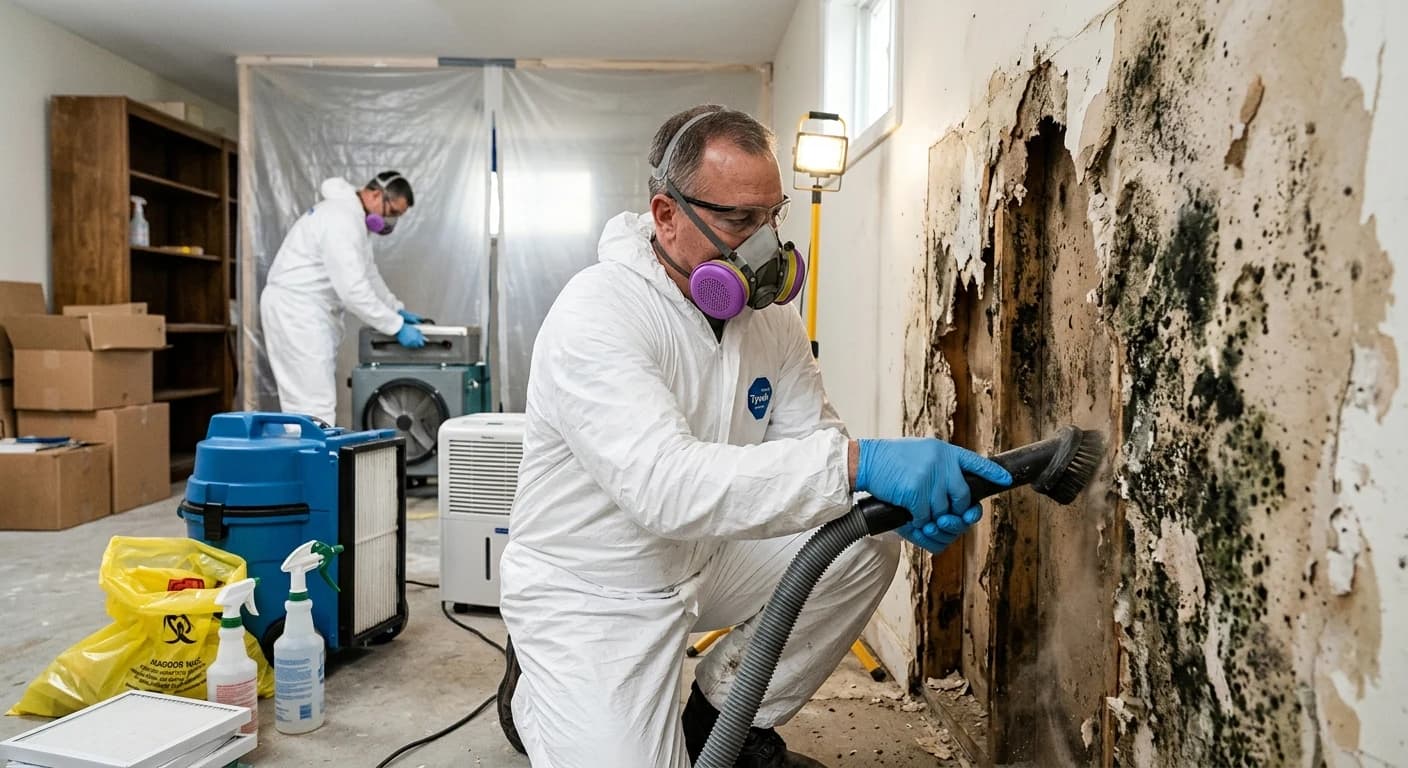
While small patches of mold can sometimes be managed with DIY methods, larger infestations require professional intervention to ensure complete removal. Mold remediation is a complex process that involves identifying the source of moisture, containing the mold to prevent its spread, and thoroughly cleaning and treating affected areas. Professional services, like those offered by Hackensack Mold Removal, use advanced techniques to eradicate mold and prevent its return.
Professionals are equipped with specialized tools and protective equipment to safely and effectively remove mold. They can conduct thorough inspections to identify hidden mold, assess the extent of contamination, and develop a remediation plan tailored to your home's specific needs. This often involves the use of HEPA vacuums to capture mold spores and air scrubbers to clean the air in affected areas.
Additionally, professionals can provide guidance on preventing future mold growth. This includes advice on improving ventilation, controlling humidity levels, and repairing any structural issues that may contribute to moisture buildup. For peace of mind and a healthier home environment, consider reaching out to contact us for a consultation.
Attempting to remove mold on your own without proper knowledge and equipment can lead to further contamination and health risks. Professional intervention ensures that mold is not only removed but also that the conditions that allowed it to thrive are addressed, providing long-term protection for your home.
Professionals are equipped with specialized tools and protective equipment to safely and effectively remove mold. They can conduct thorough inspections to identify hidden mold, assess the extent of contamination, and develop a remediation plan tailored to your home's specific needs. This often involves the use of HEPA vacuums to capture mold spores and air scrubbers to clean the air in affected areas.
Additionally, professionals can provide guidance on preventing future mold growth. This includes advice on improving ventilation, controlling humidity levels, and repairing any structural issues that may contribute to moisture buildup. For peace of mind and a healthier home environment, consider reaching out to contact us for a consultation.
Attempting to remove mold on your own without proper knowledge and equipment can lead to further contamination and health risks. Professional intervention ensures that mold is not only removed but also that the conditions that allowed it to thrive are addressed, providing long-term protection for your home.
How does mold impact property value?
The presence of mold in a property can significantly impact its market value. Potential buyers are often wary of homes with mold issues due to the health risks and structural damage associated with it. Even if the mold problem has been addressed, the stigma can linger, making it more challenging to sell the property at a desired price. Home inspections that reveal mold can lead to prolonged negotiations, reduced offers, or even complete withdrawal of interested buyers.
Moreover, if mold is left untreated, it can spread and cause extensive damage to the property, increasing repair costs. This not only affects the current value but also the long-term investment potential of the property. Mold remediation can be costly, and the need for extensive repairs can deter buyers, who might prefer properties that don't require immediate attention.
To protect property value, homeowners should conduct regular inspections and address any signs of mold promptly. Ensuring proper ventilation, managing humidity levels, and fixing leaks can prevent mold growth. If you're planning to sell your home, a pre-listing inspection can help identify and rectify any mold issues before they become a barrier to a successful sale. This proactive approach can help maintain or even enhance the property's value, making it more appealing to potential buyers.
Moreover, if mold is left untreated, it can spread and cause extensive damage to the property, increasing repair costs. This not only affects the current value but also the long-term investment potential of the property. Mold remediation can be costly, and the need for extensive repairs can deter buyers, who might prefer properties that don't require immediate attention.
To protect property value, homeowners should conduct regular inspections and address any signs of mold promptly. Ensuring proper ventilation, managing humidity levels, and fixing leaks can prevent mold growth. If you're planning to sell your home, a pre-listing inspection can help identify and rectify any mold issues before they become a barrier to a successful sale. This proactive approach can help maintain or even enhance the property's value, making it more appealing to potential buyers.
Preventive measures to avoid mold growth
Preventing mold growth involves a combination of moisture control, regular maintenance, and proper ventilation. Mold thrives in damp environments, so the first step is to manage humidity levels within your home. Using dehumidifiers in areas prone to moisture, such as basements and bathrooms, can significantly reduce the risk of mold. Aim to keep indoor humidity below 60%, ideally between 30-50%, to create an environment where mold struggles to grow.
Regular maintenance is crucial in preventing mold. This includes checking for leaks in roofs, windows, and plumbing systems, and addressing them immediately to prevent water accumulation. Ensure that your home has adequate ventilation, especially in high-moisture areas like kitchens and bathrooms. Exhaust fans can help remove excess moisture during activities such as cooking and showering.
Additionally, consider using mold-resistant products when building or renovating your home. Mold-resistant drywall and paints can provide an extra layer of protection against mold growth. Regularly cleaning and drying areas prone to moisture, such as shower curtains and window sills, can also help prevent mold from taking hold.
Educating household members about the importance of moisture control and mold prevention can contribute to a healthier living environment. By taking these preventive measures, you can protect your home from the damaging effects of mold and ensure a safe and comfortable living space for your family.
Regular maintenance is crucial in preventing mold. This includes checking for leaks in roofs, windows, and plumbing systems, and addressing them immediately to prevent water accumulation. Ensure that your home has adequate ventilation, especially in high-moisture areas like kitchens and bathrooms. Exhaust fans can help remove excess moisture during activities such as cooking and showering.
Additionally, consider using mold-resistant products when building or renovating your home. Mold-resistant drywall and paints can provide an extra layer of protection against mold growth. Regularly cleaning and drying areas prone to moisture, such as shower curtains and window sills, can also help prevent mold from taking hold.
Educating household members about the importance of moisture control and mold prevention can contribute to a healthier living environment. By taking these preventive measures, you can protect your home from the damaging effects of mold and ensure a safe and comfortable living space for your family.
Understanding the Financial Implications of Mold
Mold infestations can have significant financial implications for homeowners, extending beyond immediate health and structural concerns. The cost of mold remediation can vary widely depending on the extent of the infestation and the materials affected. Minor mold problems may cost a few hundred dollars to address, while more severe cases requiring extensive remediation efforts can run into the thousands. This financial burden can be particularly challenging for homeowners without adequate insurance coverage.
Moreover, insurance policies often have specific clauses regarding mold coverage. Some policies may cover mold damage if it results from a covered peril, like a burst pipe, but not from long-term neglect or maintenance issues. It's crucial for homeowners to review their insurance policies and understand what is and isn't covered concerning mold damage. In some cases, purchasing additional mold coverage might be a wise investment.
Beyond remediation costs, mold can also impact the resale value of a property. Homes with a history of mold problems may be less appealing to potential buyers, even if the issue has been resolved. This can lead to longer selling times and potentially lower offers. To mitigate these financial impacts, homeowners should address mold issues promptly and keep thorough documentation of all remediation efforts. This documentation can reassure future buyers that the problem was handled professionally and effectively, thus preserving the property's market value.
Moreover, insurance policies often have specific clauses regarding mold coverage. Some policies may cover mold damage if it results from a covered peril, like a burst pipe, but not from long-term neglect or maintenance issues. It's crucial for homeowners to review their insurance policies and understand what is and isn't covered concerning mold damage. In some cases, purchasing additional mold coverage might be a wise investment.
Beyond remediation costs, mold can also impact the resale value of a property. Homes with a history of mold problems may be less appealing to potential buyers, even if the issue has been resolved. This can lead to longer selling times and potentially lower offers. To mitigate these financial impacts, homeowners should address mold issues promptly and keep thorough documentation of all remediation efforts. This documentation can reassure future buyers that the problem was handled professionally and effectively, thus preserving the property's market value.
Legal Responsibilities and Mold
Homeowners and landlords have legal responsibilities when it comes to mold, especially in rental properties. In many jurisdictions, landlords are required to maintain a habitable environment for tenants, which includes addressing mold issues promptly. Failure to do so can result in legal action from tenants, who may seek compensation for health issues or property damage caused by mold exposure.
Tenants, on the other hand, are typically responsible for promptly reporting any mold issues to their landlords. It's important for both parties to document communications and actions taken to address mold, as this can be crucial evidence in any legal disputes. Landlords should respond to mold complaints swiftly and take appropriate measures to remediate the problem, ensuring compliance with local health and safety regulations.
In New Jersey, for example, there are specific guidelines and resources available for both landlords and tenants regarding mold. The state provides information on tenant rights and landlord responsibilities, emphasizing the importance of maintaining mold-free living conditions. Ignoring mold issues can lead to costly legal battles and damage to reputation, making it imperative for property owners to stay informed about their legal obligations.
Ultimately, understanding and adhering to legal responsibilities regarding mold can prevent disputes and ensure a safe and healthy living environment. Regular inspections and prompt remediation are key strategies for landlords to meet their legal obligations and protect their investment.
Tenants, on the other hand, are typically responsible for promptly reporting any mold issues to their landlords. It's important for both parties to document communications and actions taken to address mold, as this can be crucial evidence in any legal disputes. Landlords should respond to mold complaints swiftly and take appropriate measures to remediate the problem, ensuring compliance with local health and safety regulations.
In New Jersey, for example, there are specific guidelines and resources available for both landlords and tenants regarding mold. The state provides information on tenant rights and landlord responsibilities, emphasizing the importance of maintaining mold-free living conditions. Ignoring mold issues can lead to costly legal battles and damage to reputation, making it imperative for property owners to stay informed about their legal obligations.
Ultimately, understanding and adhering to legal responsibilities regarding mold can prevent disputes and ensure a safe and healthy living environment. Regular inspections and prompt remediation are key strategies for landlords to meet their legal obligations and protect their investment.